 AI Arena
Business
Why small local models beat the frontier for some jobs
A practical case for one 0.5–3B model doing one job on hardware you already own.
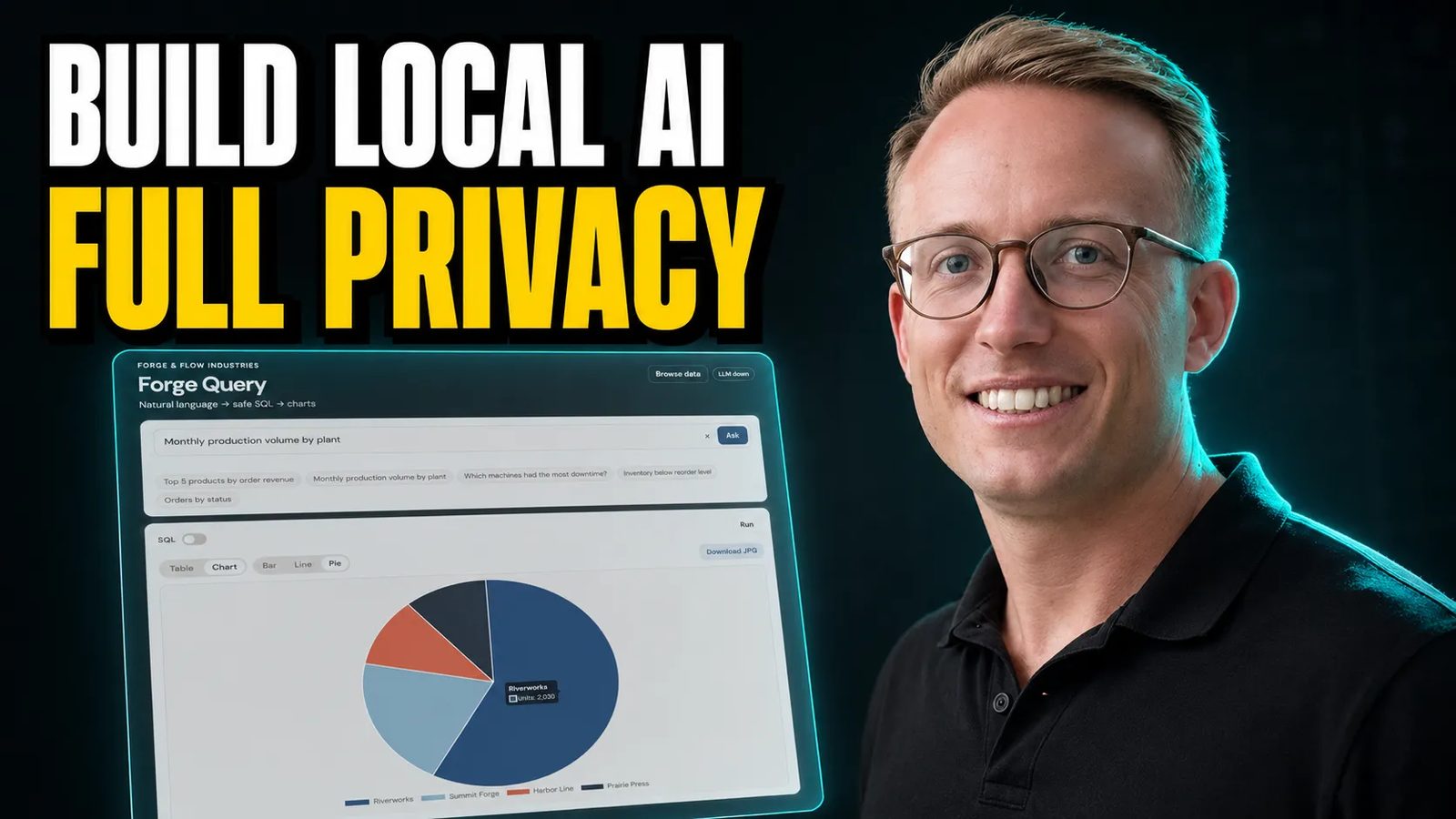
The case for local AI is usually framed as a way to avoid API bills. A new essay argues that the cost math rarely works: the largest open-weight models need over a terabyte of memory, and memory prices have roughly doubled. What does work is a small, focused model — 0.5 to 3 billion parameters — running on hardware a business already owns.
The benefit is data independence, not lower cost. A model on your own machine cannot leak what it has no way to send, and it keeps working offline without rate limits or a vendor that can change terms. The essay lays out five levels of data control, from fully cloud-based to fully local, and four business apps built with small models: natural-language database queries, a CRM importer, a voice-driven ERP, and a meeting recorder that never uploads audio.
The advice is to start with one small thing. Pick a single job, choose a model that can do it, and measure whether the result is good enough. That is a less exciting pitch than running a frontier model at home, but it is the version that survives contact with real budgets and real privacy rules.