 AI Arena
Education
Google's new AI Quest teaches students to map a brain
The third lesson in the AI Quests series uses neuroscience to show where human judgment still matters.
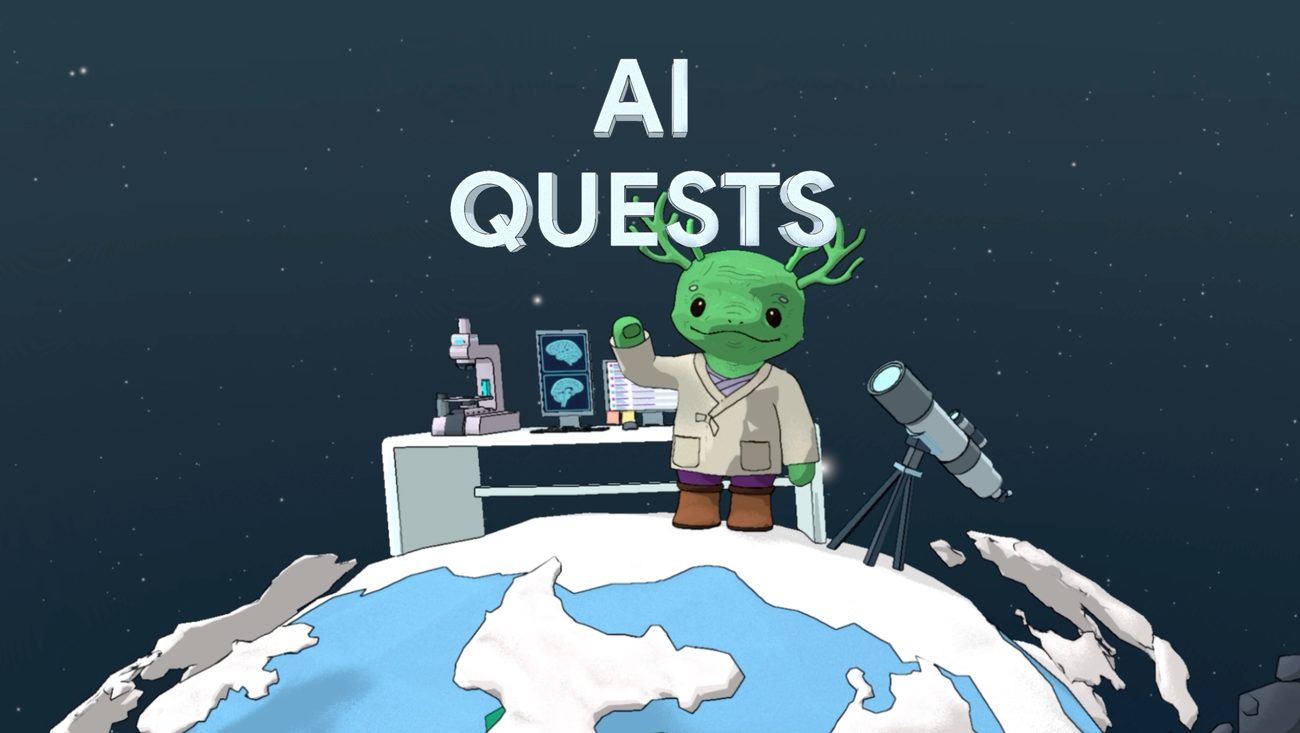
Google Research and the Stanford Accelerator for Learning have released Polar Peaks, the third lesson in their AI Quests series for students aged 11 to 14. The quest asks students to map neurons in a virtual brain to understand a character's memory loss. Along the way, they clean data, test models, and learn that AI requires human oversight.
The lesson draws on more than a decade of Google research in connectomics, the science of mapping neural networks. Students hear from researchers involved in mapping the complete fruit fly brain, the largest brain map by neuron count to date. The first two quests covered flood forecasting and eye disease detection; more than 400,000 quests have been completed in 10 languages.
Google is also releasing training modules for teachers through its AI Educator Series. The goal is not to turn children into model engineers, but to give them a working sense of how AI systems are built and where they fail. That kind of literacy is becoming a curriculum problem, not just a technology one.